

Buy Takshidfam Modern Aluminum Garden Lights – Garden and Lawn Lighting
Takshidfam Lighting Industries manufactures aluminum modern garden lights and modern lawn lights with die-cast bodies and minimal design. These lights are designed to illuminate flower beds, lawns, footpaths and villa grounds, creating soft, even light throughout the night. To see more traditional examples, you can also visit our classic garden lights.


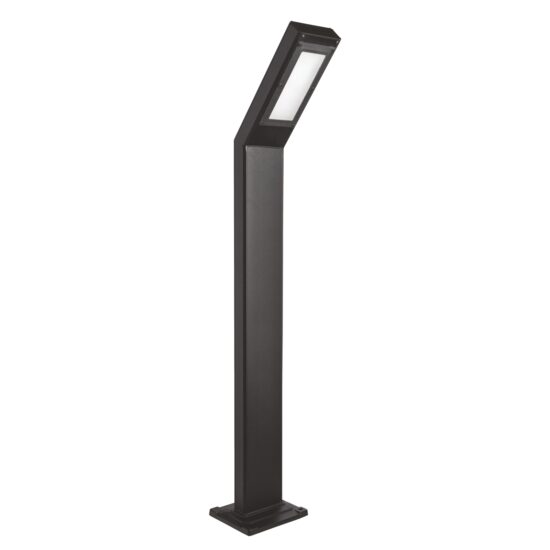
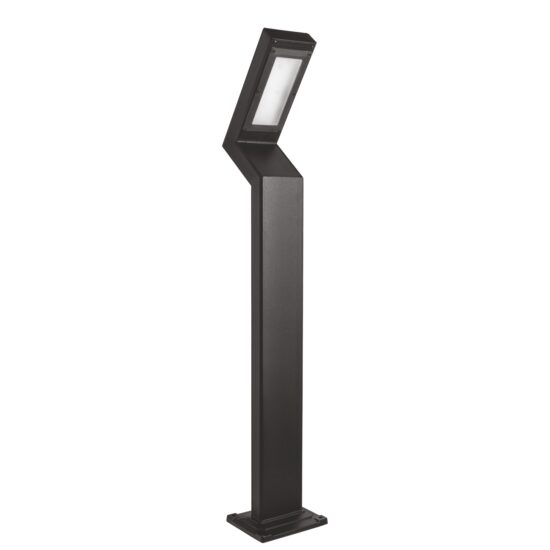


Shared Features of Takshidfam Modern Garden and Lawn Lights
Both models are made with a die-cast aluminum body, electrostatic polyester paint resistant to soil moisture and weather, and full compatibility with energy-saving LED bulbs; a durable option for lighting green spaces.

What Is the Difference Between a Garden Light and a Lawn Light?
Modern Garden Light: Path and Flower Bed Lighting
Takshidfam’s modern garden light usually has a taller post and is installed beside footpaths, flower beds and the edges of grounds. Its light is cast broadly and downward so the path stays lit without bothering passers-by’s eyes.
Modern Lawn Light: In-Lawn Lighting
The modern lawn light is shorter and is planted directly in the lawn or flower bed soil. This model is mostly used for accent lighting, highlighting plants and creating rows of light across the lawn.
Die-Cast Aluminum Body
The body of both models is produced by aluminum injection (die-casting); a process that creates a uniform, seamless body resistant to impact and soil moisture.
LED Compatibility and IP Rating
These lights are designed for energy-saving LED bulbs and have a high IP protection rating that resists water, soil moisture and dust; an essential feature for direct installation in green spaces.
Simple Installation in Soil or Grounds
Both models are easily installed in soil or on the ground surface with a spike base or metal plate and need no complicated wiring. They are also easy to move if the garden layout changes.
Uses in Different Spaces
These products are suitable for flower beds, villa lawns, walking paths, pool surrounds and the green spaces of restaurants and hotels, and can be used together to create coordinated garden lighting.
Light as a Design Material in Today's Landscaping
In contemporary landscaping, light is not just a means of seeing the path; like stone, wood and plants, it counts as a design material. A modern garden light with a simple form and straight lines almost disappears into the background by day, and at night, without showing off, reveals the volume of plants and the texture of paving. It is this understated body that lets the light, not the fixture itself, shape the character of the space.
Landscape designers usually follow a simple order: first they decide what should be seen, then they choose the light. If this order is reversed, the result is often a garden with many identical points of light that neither light the path well nor highlight anything. Below we review this design approach step by step, from layering light to placement and maintenance.
Three Layers of Light in the Garden: Path, Accent and Ambient
Professional garden lighting is built from three overlapping layers. Each layer has a separate job, and no single light is meant to do everything; even in a small yard, separating these three layers makes the difference between an ordinary space and a designed one.
Path Layer
This layer is for safe movement: the edge of the walkway, steps, changes in level and turns in the path. Short lights with downward light are the best option, since they light the ground and the light does not shine directly into the eyes. In this layer, uniformity matters more than intensity; several dim lights at regular spacing give a calmer and safer result than one bright light.
Accent Layer
In this layer a few distinctive elements are chosen and highlighted: an old tree, a stone wall, a fountain or a large planter. Thanks to its compact size, a modern garden light sits beside these elements without competing with them. A common recommendation is to keep the number of accent points limited; when everything is highlighted, in practice nothing is, and the eye finds no place to rest.
Ambient Layer
Ambient light is the soft, enveloping illumination that makes outdoor seating, gazebos and pool areas usable. This layer is usually provided by taller lights or by outdoor wall lights on the façade and yard walls, and it should be gentle enough not to completely remove the garden’s pleasant darkness. A little shadow adds depth to the space and keeps the night sky visible too.
Choosing the Color Temperature of a Modern Garden Light
Color temperature is expressed in kelvin and determines the mood of the garden more than any other specification. The figures below are a general guide:
- Warm light (about 2700 to 3000 kelvin): intimate and calm; it shows the colors of wood, brick and green leaves more naturally and is a common choice for seating areas and residential gardens.
- Natural light (about 4000 kelvin): clearer and neutral; better suited to busy paths, parking entrances and architecture with light stone and exposed concrete.
- Cool light (above 5000 kelvin): creates a lot of contrast and often looks harsh in a residential garden; it is usually recommended only for special uses.
More important than the number itself is consistency. If several different color temperatures sit side by side in one area, the garden looks fragmented. When ordering modern garden lights, make sure all of them have the same color temperature and note it down, so that if you extend the grounds later, the new lights match the old ones.
Placement Along Paths and Flower Bed Edges
Where a light is installed matters as much as its model. Below are some rules of thumb designers use; the figures are approximate and the final choice depends on the light output, the path width and your taste.
- Short path lights are usually installed about 2 to 4 meters apart; the taller the light and the wider its spread, the greater this distance.
- On narrow paths, a staggered layout on both sides looks more natural than a symmetrical row and avoids the «airport runway» effect.
- Set the light slightly back from the path edge and inside the flower bed so it is safe from feet and lawnmowers and the light passes through the leaves.
- Prioritize steps, bends and path intersections; these points must be clearly visible even if the rest of the path is dim.
- Consider plant growth: a shrub that is short today may completely cover a lawn light two years from now.
A simple test before digging: at night, try the position of each modern garden light with a flashlight or temporary light and look at it from several angles, including from inside the house and from a bench. Glare usually reveals itself right here, and moving the light half a meter fixes it.
Energy Use and Maintenance: Integrated LED or Replaceable Bulb?
In terms of light source, outdoor lights fall into two groups: models with an LED source built into the light itself, and models with a socket on which a separate bulb is fitted. In Takshidfam’s modern line the light source is LED and the light spreads from behind a polycarbonate diffuser; in the classic line, an E27 socket allows the bulb to be replaced.
- Integrated LED: a slimmer, more minimal form, even light distribution and low power consumption. On the other hand, repairs require a part specific to that model, so access to spare parts becomes important.
- Replaceable bulb: you can swap the bulb whenever you like for a more efficient one or a different color temperature, and repairs are simple; but the quality and color of the light depend on the bulb you buy.
In terms of consumption, LED uses far less electricity than old incandescent and halogen bulbs to produce similar light. Since a modern garden light is on for several hours every night, this difference is clearly noticeable in the annual electricity bill. Adding a photocell or timer to the circuit, and separating the path circuit from the decorative lighting circuit, lowers consumption even further.
Maintaining a modern garden light is simple: clean the diffuser every few months with a soft cloth and lukewarm water and avoid strong solvents and rough scourers; prune surrounding plants so they do not block the light; and once a year inspect the screws, gaskets and cable entry point.
Takshidfam products come with an 18-month warranty and spare parts supply is guaranteed for up to 10 years, so LED models also remain repairable in the long term. If your project needs a modern garden light in a special color or size, customization is possible.
For comparison with classic designs, see the garden and lawn lights page, get model specifications from the catalog and price list, and contact Takshidfam experts for advice on your grounds’ lighting design.
To better understand the meaning of IP rating digits, you can see the official IEC guide on the IP code.
Frequently Asked Questions About Modern Garden and Lawn Lights
A modern garden light has a taller post and is installed beside paths and flower beds, while a modern lawn light is shorter and is planted directly in the lawn or soil. Both are made with a die-cast aluminum body of the same quality.
For installation in soil or near the lawn, at least IP65 is recommended because these lights are always in contact with ground moisture. All Takshidfam garden and lawn light models have an IP rating suitable for outdoor use.
A modern lawn light is suitable for accent lighting of lawns, highlighting shrubs and flowers, and creating a path of light in the flower bed. It is usually installed in larger numbers at regular intervals across the lawn.
Yes, customers can choose the height, body color and bulb type of the garden or lawn light based on their garden design. This lets the lighting match the arrangement of plants and paths.
No, both models simply push into the soil with a spike base and need no digging or complicated wiring. If needed, Takshidfam’s support team provides technical guidance.
The modern model is made with simple lines and clean geometry, suited to today’s gardens. The classic model has traditional ornaments and curved forms and mostly suits villa gardens. Both are made with a die-cast aluminum body of the same quality.
To see more traditional examples, you can also visit Takshidfam’s classic garden lights and the pendant lights category.