

Buy Outdoor Pillar Lights – Takshidfam Classic and Modern Aluminum Pillar Lights
-

چراغ سردری ویکتوریا کمرباریک (1)
-
چراغ سردری ویکتوریا خمرهای (1)
-
چراغ سردری ویکتوریا (1)
-
چراغ سردری ویکتور (1)
-
چراغ سردری ویسپر (1)
-
چراغ سردری ویدا (1)
-
چراغ سردری وستا کوچیک (1)
-
چراغ سردری وستا بزرگ (1)
-
چراغ سردری مهرگان (1)
-
چراغ سردری معبد ویسپر (1)
-
چراغ سردری معبد سورنا کوتاه طرحدار (1)
-
چراغ سردری معبد سورنا کوتاه (1)
-
چراغ سردری معبد سورنا بلند طرحدار (1)
-
چراغ سردری معبد سورنا بلند (1)
-
چراغ سردری معبد سورن کوتاه طرحدار (1)
-
چراغ سردری معبد سورن کوتاه (1)
-
چراغ سردری معبد سورن بلند طرحدار (1)
-
چراغ سردری معبد سورن بلند (1)
-
چراغ سردری معبد رابو کمرباریک (1)
-
چراغ سردری معبد رابو خمرهای (1)
-
چراغ سردری معبد رابو (1)
-
چراغ سردری کلبه (1)
-
چراغ سردری سورنا کوتاه طرحدار (1)
-
چراغ سردری سورنا کوتاه (1)
-
چراغ سردری سورنا بلند طرحدار (1)
-
چراغ سردری سورنا بلند (1)
-
چراغ سردری سورن کوتاه طرحدار (1)
-
چراغ سردری سورن کوتاه (1)
-
چراغ سردری سورن بلند طرحدار (1)
-
چراغ سردری سورن بلند (1)
-
چراغ سردری روبینا (1)
-
چراغ سردری رابو کمرباریک (1)
-
چراغ سردری رابو خمرهای (1)
-
چراغ سردری رابو (1)
-
چراغ سردری پالیز (1)
-
چراغ سردری پادینا طرحدار (1)
-
چراغ سردری پادینا (1)
-
چراغ سردری پادرا (1)

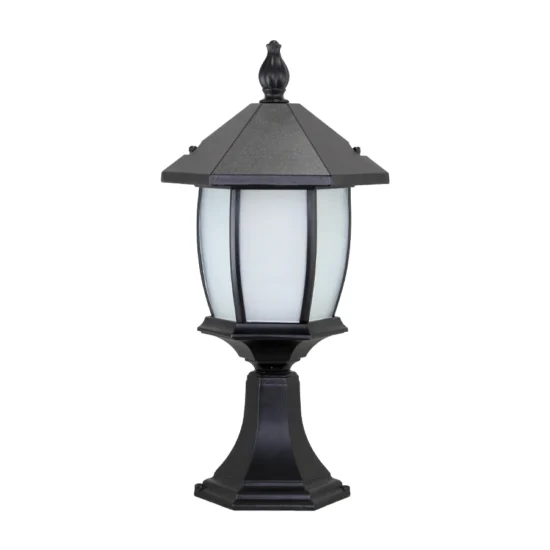
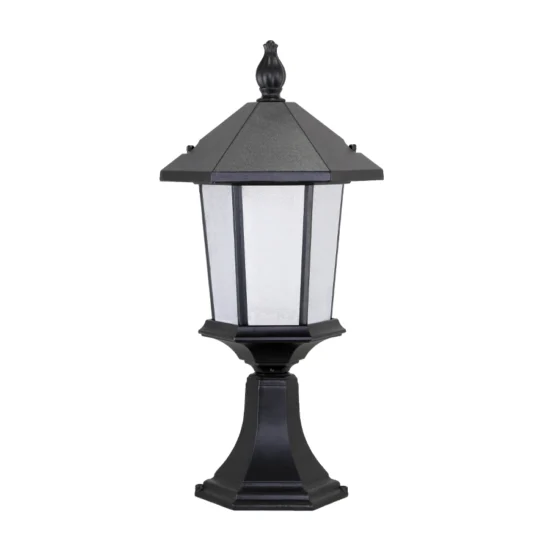


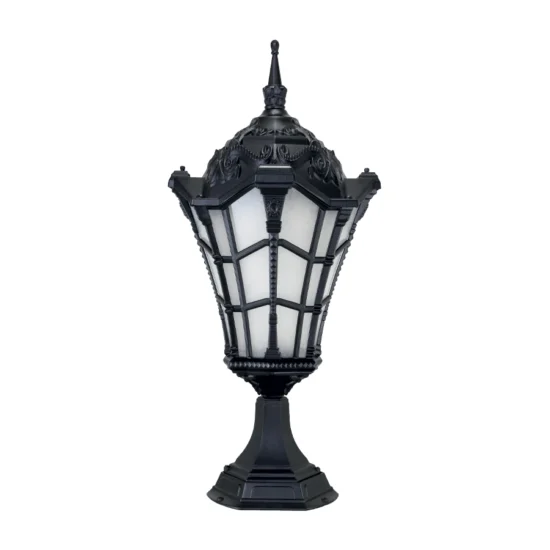
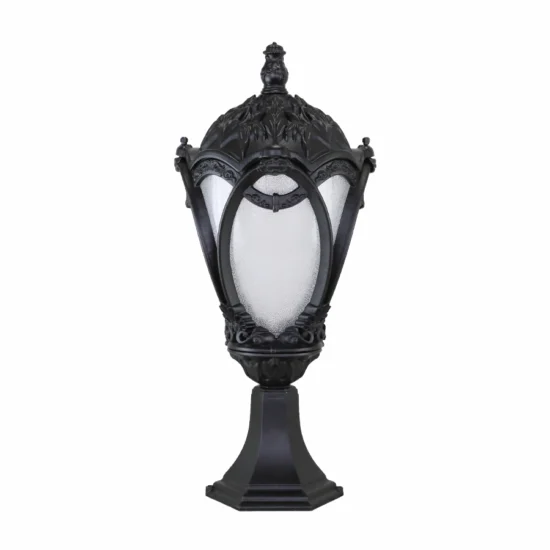
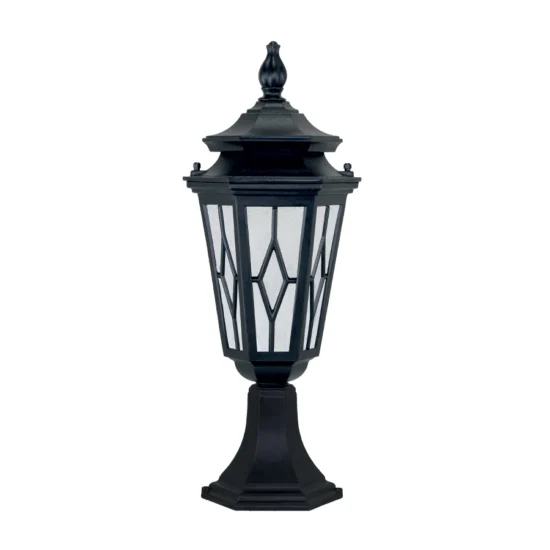
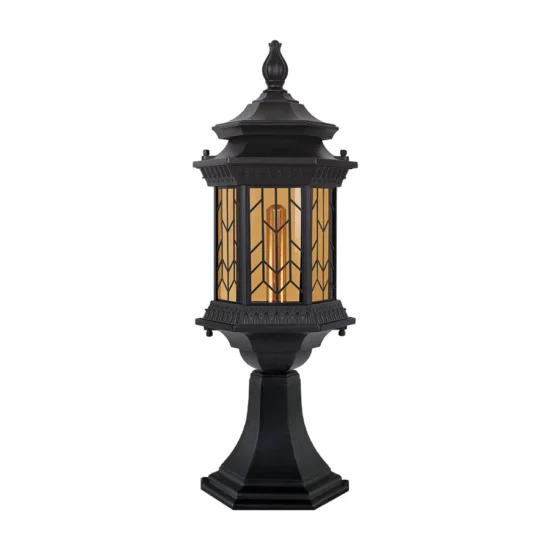
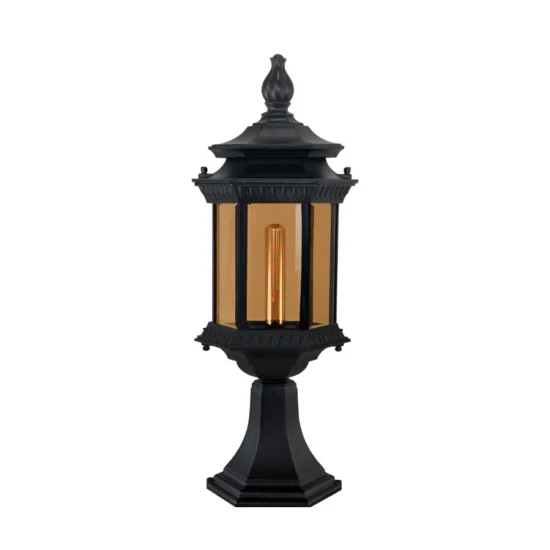
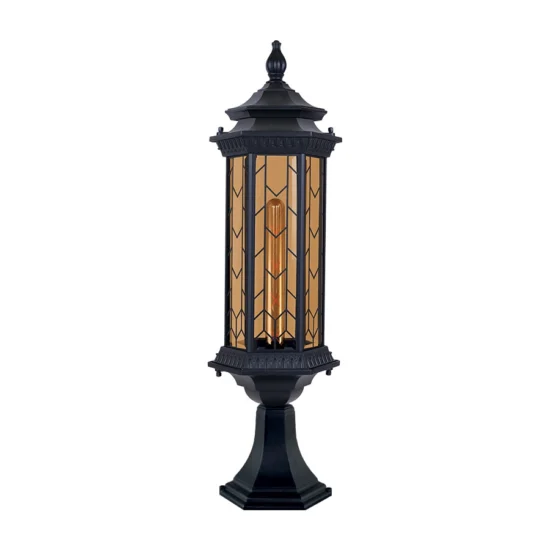
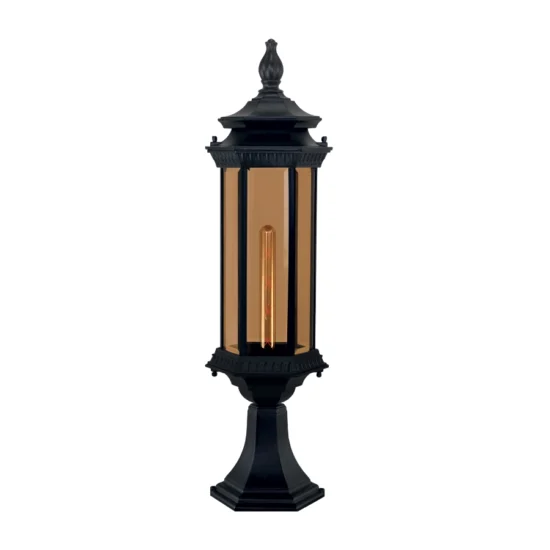
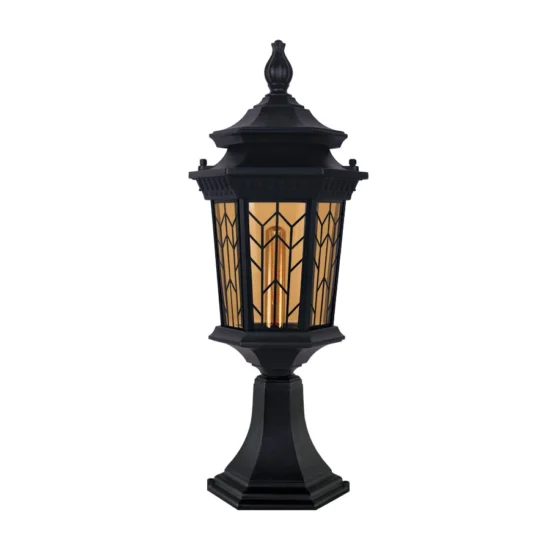


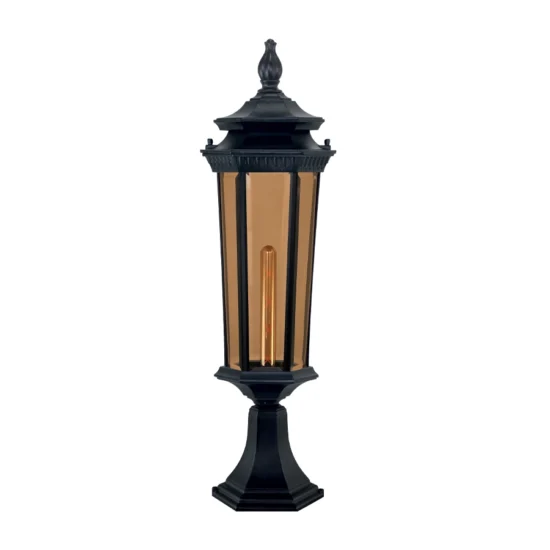


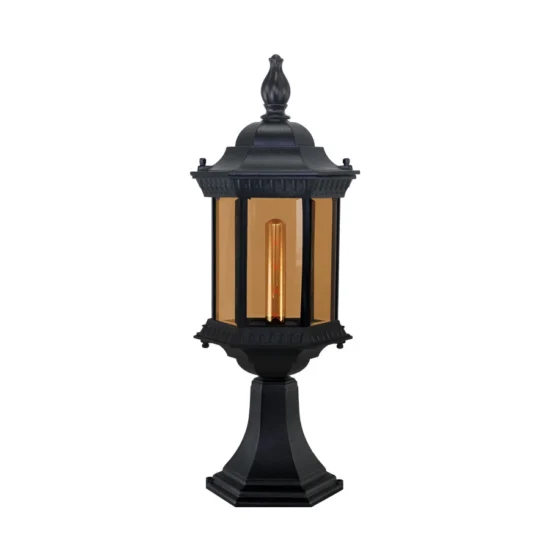

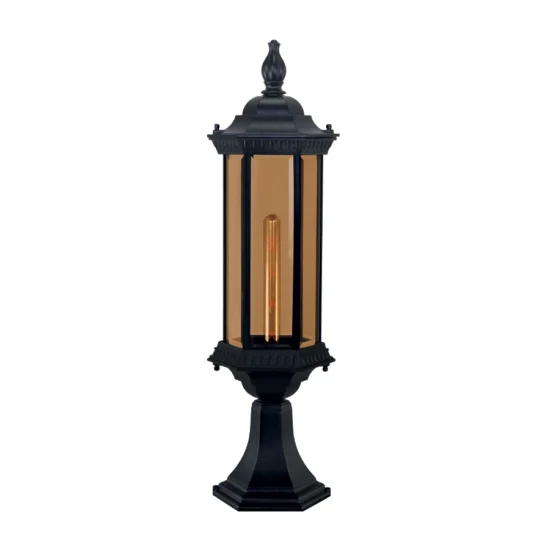

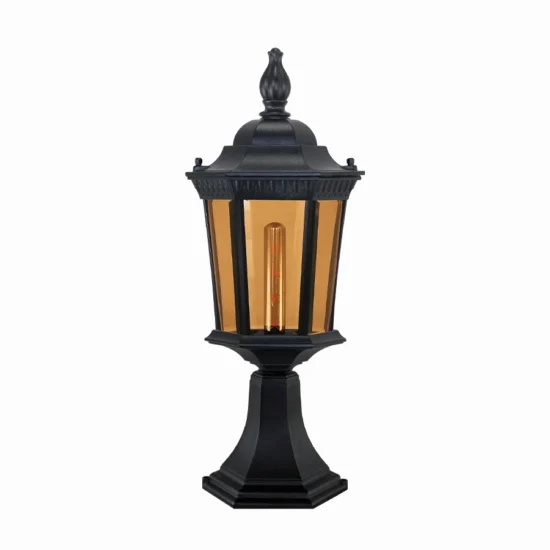

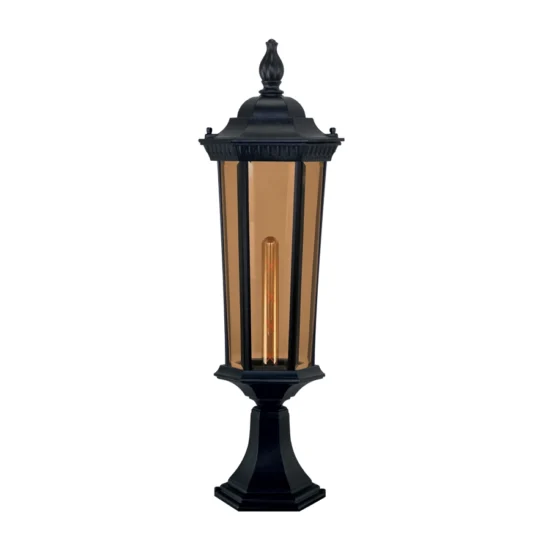


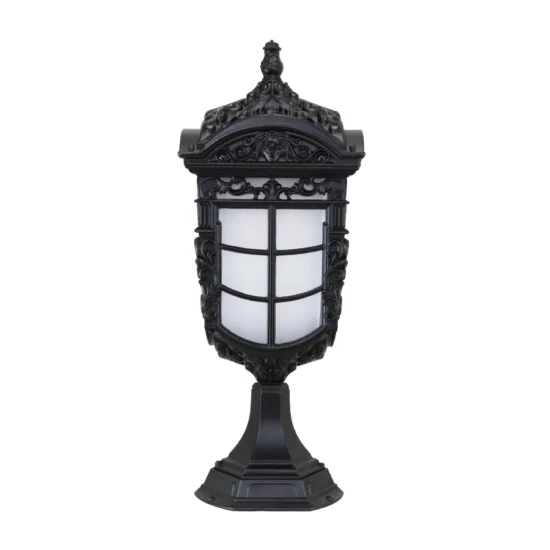
Pillar lights are among the most important lighting elements at the entrances of buildings, villas, gardens and public spaces, playing a key role in enhancing security, beauty and property value. Professional design and high-quality raw materials place Takshidfam pillar lights at the highest level of quality in both strength and appearance.
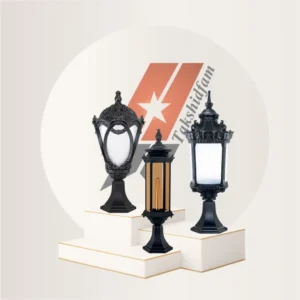
Features of Takshidfam Pillar Lights
Die-Cast Aluminum Body
The body of the pillar light is made from pure aluminum by pressure die-casting (Die-Cast). This technology creates a smooth, uniform and flawless surface, displays fine design details well and provides high durability against impact, pressure and corrosion.
Electrostatic Polyester Paint
The body is coated with UV- and weather-resistant polyester powder paint. That is why Takshidfam pillar lights do not fade or peel even after years of outdoor use.
Variety of Globes and Glass
Takshidfam’s main choice for the globe is UV-protected polycarbonate, which is highly impact-resistant and prevents yellowing from direct sunlight. Some models are also offered with bronze glass, clear glass or frosted glass, each giving the light and the space a distinctive look.
Stainless Hardware and IP Rating
All hardware used in Takshidfam pillar lights is stainless, so no damage or loss of quality appears over the long term. These lights have a suitable IP protection rating and perform flawlessly in both humid northern regions and hot, dry southern regions.
Design Variety of Takshidfam Pillar Lights
The design range of Takshidfam pillar lights is very wide, from classic and traditional styles to modern and minimal. A variety of colors, from dark and matte to light and glossy, offers many options to match the architectural style. Customers can choose a model fully in harmony with their space according to their taste and needs.
Uses of Pillar Lights in Different Spaces
Takshidfam pillar lights are suitable for installation on gateways, pillars and entrance walls of buildings, villas, gardens, residential complex grounds and commercial spaces. Besides providing proper light for entrances, these lights also act as a decorative element and enhance the aesthetic value of the surroundings.
Installation and Quality Control of Pillar Lights
The production of Takshidfam pillar lights, from initial design to mold making, aluminum injection, polishing, painting and final assembly, is carried out under the close supervision of the quality control unit.
In terms of installation, these lights are designed for a quick and easy process. The cable and base connection points are designed to be standard and safe, so the installer can mount the light on a gateway, pillar or wall without any extra modifications.
Ultimately, Takshidfam pillar lights are a long-term investment in the value, security and appeal of your space.
What Is a Pillar Light and Where Is It Installed?
The entrance of any property is the first place guests, passers-by and residents themselves face every day. A pillar light is a light that sits on the horizontal surface at the top of a pillar, pier or gateway, instead of on a wall or a tall post, and spreads light around from that height. This mounting position sets the rules for choosing its size, fixing and wiring apart from wall lights and post lights, and this guide focuses on exactly these differences.
Common Installation Locations
- Pillars on both sides of the yard gate and driveway gate; the most common case, usually installed as a symmetrical pair.
- Intermediate pillars of fences and boundary walls; so the property boundary is legible at night and a long wall does not look monotonous.
- Gateways and entrances of villas and gardens; where the light, besides illumination, marks the entrance from a dark road or alley.
- Entrances of residential complexes, townships, hotels and garden venues; usually with larger or multi-arm models.
- Short posts beside stairs, parking ramps and terrace edges, which are lower and call for a smaller light.
Three Roles This Light Plays at Once
First is marking; a light shining at pillar height is visible from afar and identifies the entrance on a dark alley or road. Second is safety; with enough light it is easier to find the lock, see the face of whoever is standing at the door and notice a change in level in front of it. Third is decoration; during the day this light is also part of the entrance façade and must look well-formed even when switched off.
Choosing a Size to Match the Pillar
Most dissatisfaction after installation comes not from light quality but from poor proportion. The figures below are approximate rules of thumb, and the final decision depends on the pillar design, the gate width and the viewing distance.
Ratio of Light Base to Pillar Top
The base of the light should sit on the pillar cap with a comfortable margin. Typically a base covering about half to two-thirds of the pillar top’s width looks balanced. If the base reaches the edge of the stone, there is no room left for sealing, and drilling near the edge increases the risk of chipping the stone. So before choosing a model, measure the length and width of the flat surface on top of the pillar precisely, not the dimensions of the pillar body.
Ratio of Light Height to Pillar Height
A common rule is for the light to be about a quarter to a third of the pillar’s height. Compact models are enough for short fence pillars, while tall driveway gate pillars call for more elongated models. Consider the viewing distance too; an entrance mostly seen from across the street calls for a larger light. Making a same-size cardboard mock-up and placing it on the pillar is the simplest way to test proportion.
Single Globe or Multi-Arm?
Single-globe models are a safe choice for most homes and villas; they are light, catch less wind and fit on ordinary pillars. Multi-arm models with two, three or more globes are better suited to wide pillars and grand entrances of complexes, hotels and garden venues. In these models the span of the arms should not project far beyond the pillar’s width, and since they have more weight and wind surface, the base-to-pillar connection must be stronger and more carefully executed.
Style, Body Material and Globe Type
Classic or Modern?
Classic lantern forms suit brick façades, dressed stone, wrought-iron gates and old gardens. Modern cubic and cylindrical forms sit better with flat façades, exposed concrete, sheet metal and simple gates. Takshidfam produces both styles: the classic line with an E27 socket and replaceable bulb, and the modern line with an LED light source.
Body Material Comparison
- Die-cast aluminum: light, rust-free and shows fine decorative details accurately; a balanced choice for mounting at height and in the rain.
- Cast iron: heavy and stately, but puts a lot of load on the pillar top, and if its paint is scratched, rust starts from that very spot.
- Sheet steel: cheaper, but its seams and weld points are vulnerable to moisture and need regular maintenance.
- Plastic: light and low-cost, but under direct sun it gradually becomes brittle and faded, and its look falls short of authentic entrance materials.
Clear, Frosted or Smoked Globe
A clear globe gives bright, striking light, but the bulb is visible and there is more glare; in this case the bulb’s shape becomes part of the light’s look. A frosted globe spreads light softly and evenly and is gentler for entrances where drivers look straight at the light. A bronze or smoked globe creates a warmer mood but absorbs some of the light.
In terms of material, polycarbonate resists impact from balls, hail and mischievous passers-by and is a sensible choice for low pillars beside the street. Glass does not scratch and stays clear for years, but it is fragile and better suited to heights out of reach.
Bulb, Light Color and Protection Rating
Light Color
For homes, villas and gardens, warm white light of about 2700 to 3000 kelvin is usually more pleasant and goes well with stone, brick and wood. Neutral light of about 4000 kelvin is used for complex entrances and places where camera image clarity matters. More important than the number itself is consistency; if one pillar has warm light and the other cool light, the whole entrance looks disorderly.
Amount of Light
A light on a pillar is not meant to do a floodlight’s job. The goal is soft, enveloping light around the gate, not lighting up the whole yard. An overly bright bulb behind a clear globe dazzles the eye and also washes out the body’s beautiful details. In socket models, choose an energy-saving LED bulb whose size fits the space inside the globe and that is recommended for enclosed fixtures, since heat escapes more slowly from a closed globe.
IP Protection Rating in Simple Terms
The IP rating is expressed with two digits; the first shows protection against dust and solid objects and the second against water. There is no canopy above a pillar, and a pillar light works directly under rain, snow and sun. As a general guide, at least IP44 is recommended outdoors, and higher ratings such as IP65 for rainy or coastal areas or where garden sprinklers reach the light. Ask the manufacturer for each model’s exact rating.
Pillar Mounting, Wiring and Safety
Cable Route Through the Pillar
The best time to think about wiring is before the pillar is built. The electrical conduit should rise from the base of the pillar to the center of the cap so no cable is visible from outside. On existing pillars, you can cut a channel at the back of the pillar or use surface conduit in the façade’s color. The cable must be suitable for outdoor use and have some extra length at the top of the pillar so the connection is easy and it does not fall short in later repairs.
Steps to Secure the Base
- Switch off the circuit at the panel and make sure the wires are dead.
- Check the level and soundness of the pillar top; a loose cap stone or crumbling mortar must be repaired before installation.
- Mark the hole positions from the light’s base and drill with a bit suited to the material, away from the stone’s edge.
- Use wall plugs or anchors matched to the light’s weight and stainless screws; glue and silicone are no substitute for screws.
- Pass the cable through the center of the base, tighten the phase, neutral and earth connections in the terminal and seal the cable entry point.
- Fit the bulb and globe, make sure the gaskets are seated properly and then test the circuit.
The perimeter of the base can be covered with a thin bead of sealant so rainwater does not get inside the pillar; water penetrating the pillar core causes freezing and cracking of the façade in winter.
Earthing and Circuit Protection
The light’s metal body must be connected to the earth wire; an entrance pillar is a place people lean on with wet hands or in the rain. The outdoor lighting circuit is best fed through a residual current device and a suitable miniature circuit breaker, and no connection should be left without a box or sealed terminal. Entrust this part to a skilled electrician.
Symmetry and Entrance Lighting Design
Symmetrical Pair, Single or in a Row
Two pillars of equal height on either side of the gate, with two identical lights, is the most familiar combination and almost always works. If the pedestrian gate is separate from the driveway gate, you can use a smaller light from the same family for it. On long walls, not every pillar needs a light; sometimes fitting every other pillar creates a calmer rhythm and also reduces power consumption and cost. The proper spacing depends on the height of the pillars and the ambient light level.
Coordination with Wall Lights and Post Lights
An entrance looks unified when the pillar light, the wall light beside the building door and the yard path lights come from one design family, sharing roof form, globe design and body color. For beside the door and the parking wall you can see matching models in the wall lights collection, and for the yard path and garden borders use matching garden and lawn lights. Their light color should also be the same.
Maintenance, Climate and Common Mistakes
A Simple Maintenance Schedule
- Wash the globe twice a year with a soft cloth, water and mild detergent; avoid rough scourers and strong solvents that cloud the polycarbonate surface.
- Inspect gaskets and screws; a dried-out gasket is an entry point for insects and moisture.
- Touch up paint scratches promptly so the coating does not weaken at that spot.
- After a storm or impact, check that the base is not loose and the seal around it is intact.
Climate Considerations
In coastal and humid cities, salt in the air is metal’s main enemy; periodically washing the body with fresh water and using stainless screws extends the light’s life. In hot, sunny regions, a UV-resistant globe and quality paint prevent yellowing and fading. In cold climates, sealing the pillar top is doubly important, and in windy and dusty regions, consider a stronger base connection and a higher dust protection rating.
Frequently Repeated Mistakes
- Choosing a small light for a large pillar, based only on a photo and without measuring.
- Installing on a loose cap stone or relying on glue instead of screws and anchors.
- Not connecting the earth wire or leaving connections unsealed.
- Using a very bright bulb or mixing warm and cool light on two neighboring pillars.
- Ignoring whether the globe or spare parts for the same model will be available years later.
Ordering from the Manufacturer, Warranty and Spare Parts
Takshidfam Lighting Industries supplies these products directly from the factory. To get more accurate advice, prepare this information before contacting us: the dimensions of the pillar top surface, the height of the pillars, the quantity needed, the entrance façade style and the desired body color. For projects such as townships and complexes, customization of model, color and dimensions is also possible so the entrance light matches the architect’s design exactly.
You can see up-to-date models and prices in the catalog and price list, and contact our experts through the contact page for inquiries or to send photos and pillar dimensions.
Products come with an 18-month warranty, and spare parts supply is guaranteed for up to 10 years, even after the warranty ends. This is especially important for paired lights; if years later the globe of one of the two lights breaks, getting that same part means you do not need to replace both lights and the entrance’s symmetry is not lost.
Frequently Asked Questions About Pillar Lights
A pillar light is specifically designed for mounting on gateways, pillars and building entrance walls. These lights have an IP rating suitable for outdoor use, and their die-cast aluminum body is highly resistant to moisture, rain and corrosion. Ordinary wall lights lack these features.
The body of all Takshidfam pillar lights is made from pure aluminum by die-casting (pressure injection). This method creates a smooth, uniform and flawless surface and displays fine design details well. Painting is done with UV-resistant electrostatic polyester.
Yes, all Takshidfam pillar lights are designed for outdoor use and have a suitable IP protection rating. The hardware used is stainless, and the electrostatic polyester paint does not fade or peel even after years of exposure to rain, snow and UV radiation.
Takshidfam’s main choice for the globe is UV-protected polycarbonate, which is highly impact-resistant and prevents yellowing from direct sunlight. Some models are also offered with bronze glass, clear glass or frosted glass, each giving the space a distinctive look.
Yes, customers can order the body color, globe type (polycarbonate, bronze glass, frosted glass) and dimensions according to their needs. This allows the light to fully match the architectural style and design of the space.
No, these lights are designed for quick and easy installation. The cable and base connection points are standard and safe, and the installer can mount the light on a gateway, pillar or wall without extra modifications.
For design and lighting ideas with pillar lights, you can visit a specialized foreign decoration magazine.